Tell us about your lawn
Share your location, lawn size, current condition and the services you’re considering.
Build a plan for a struggling lawn.
 A little care. A greener everyday.
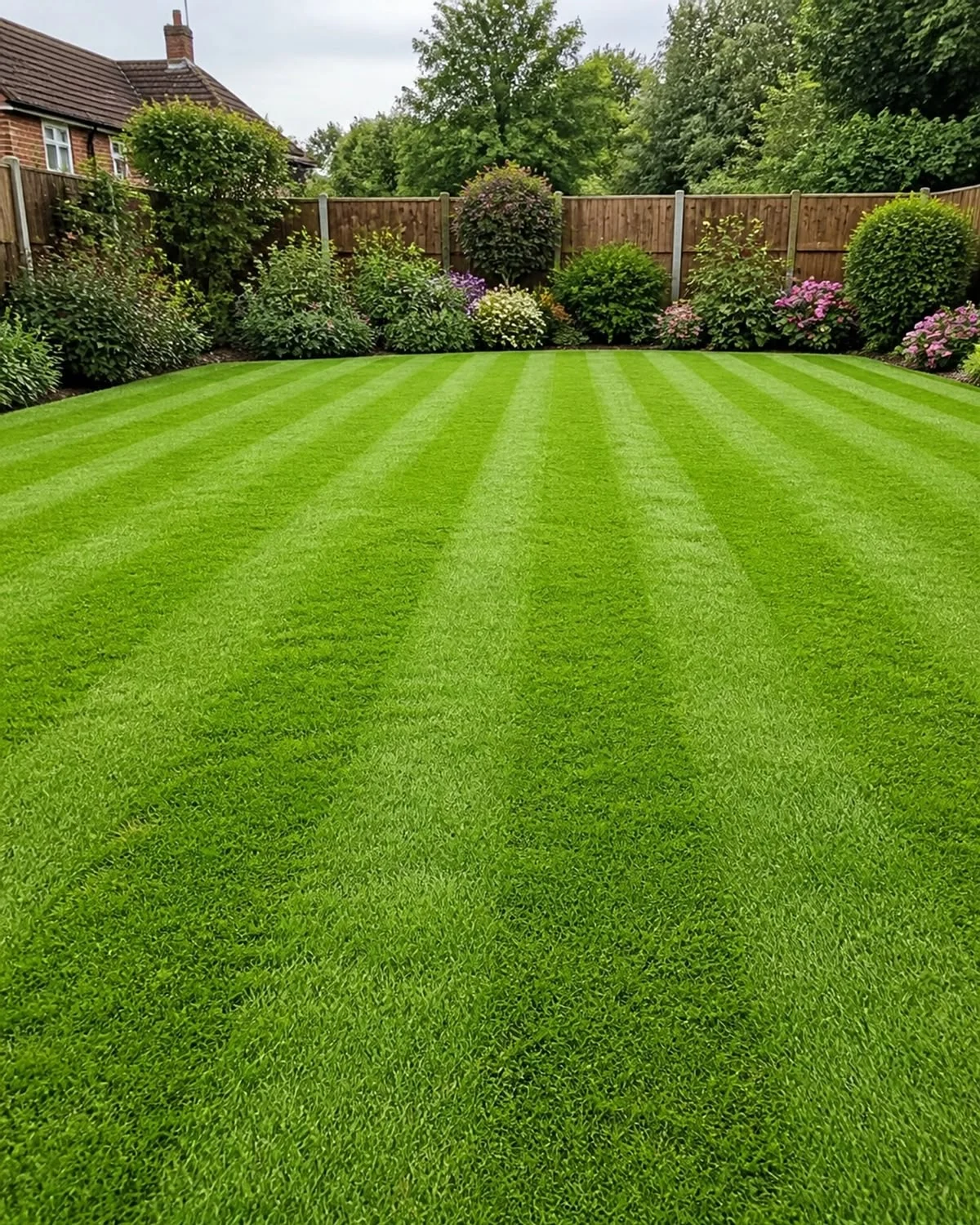

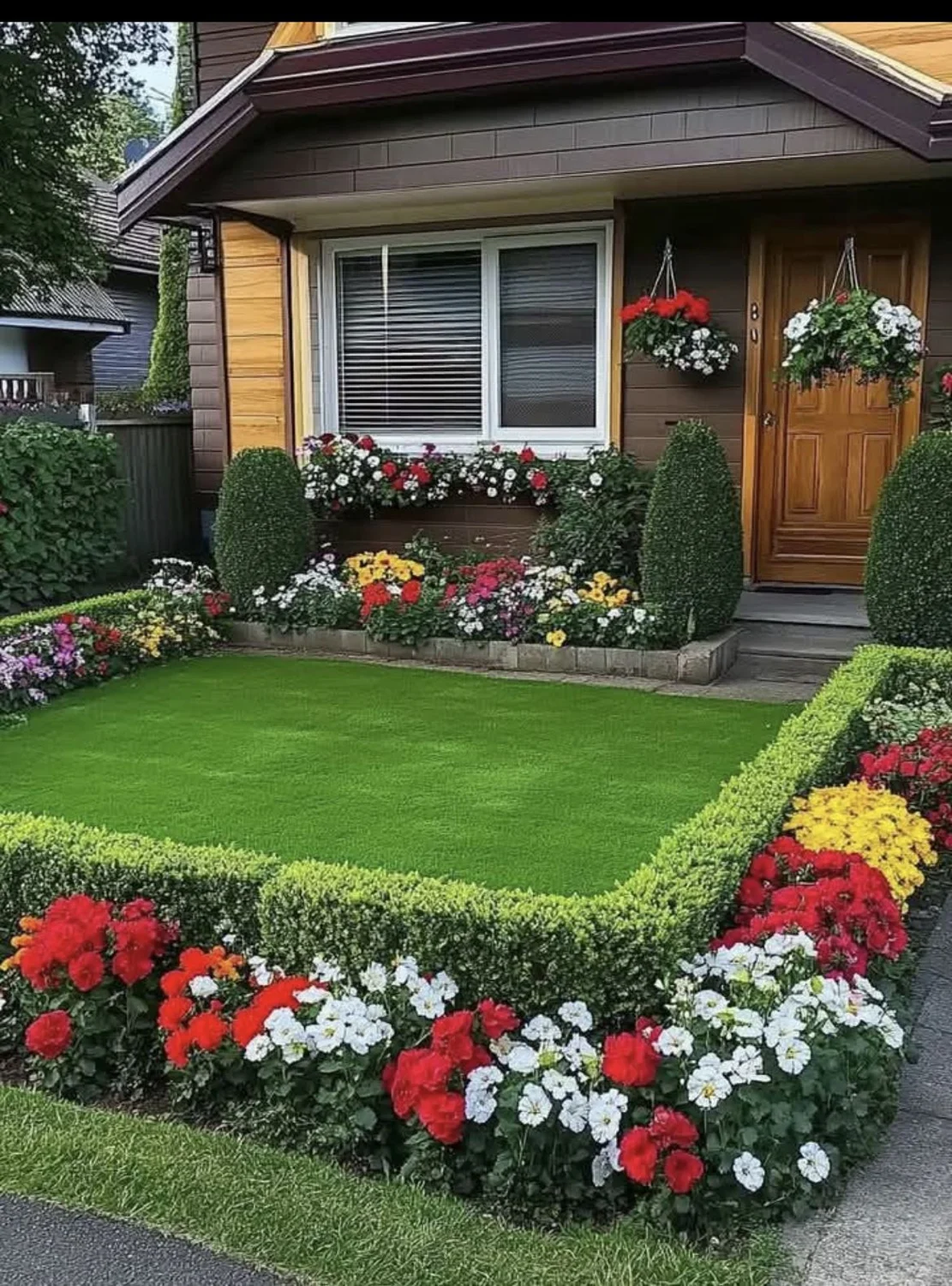
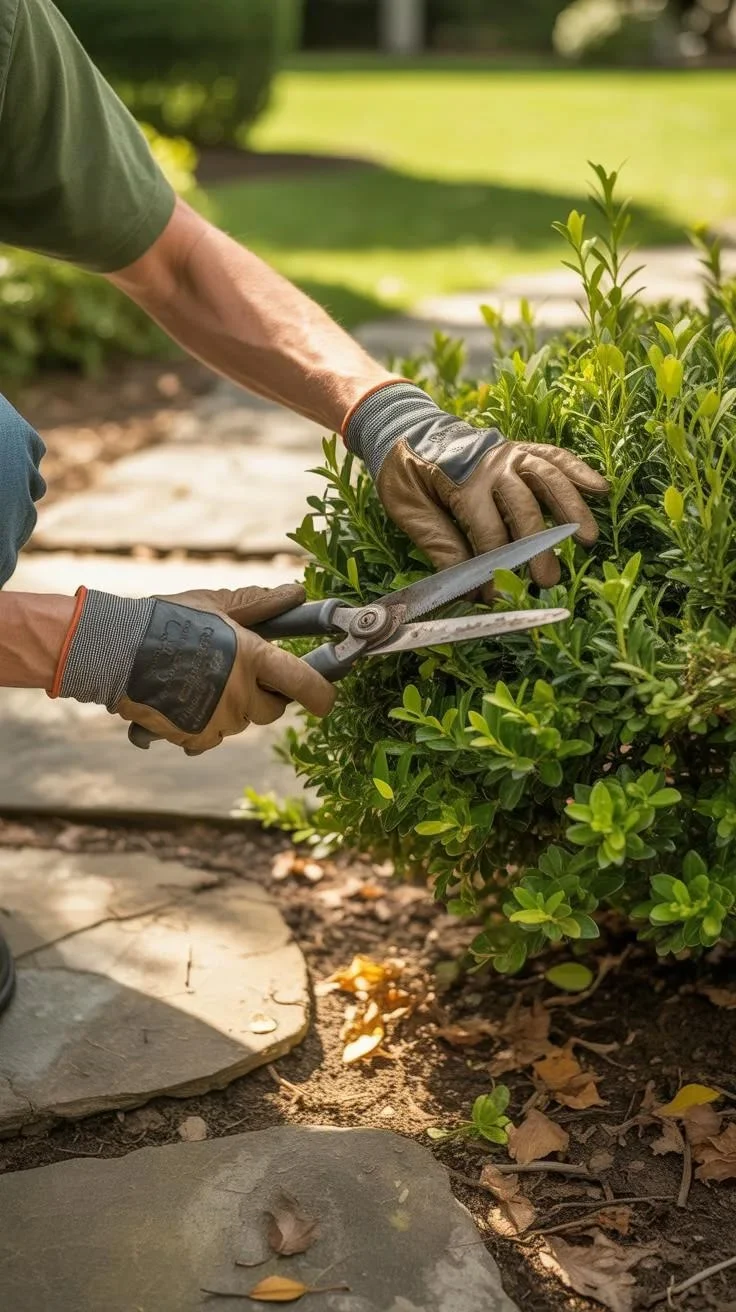
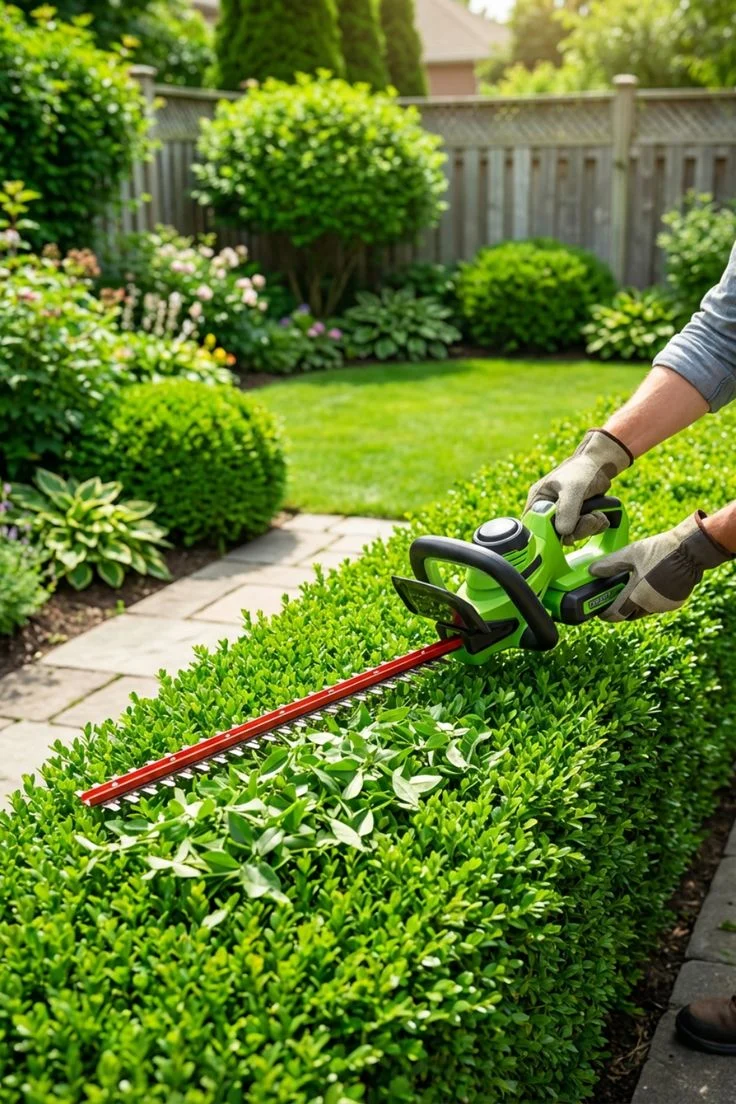

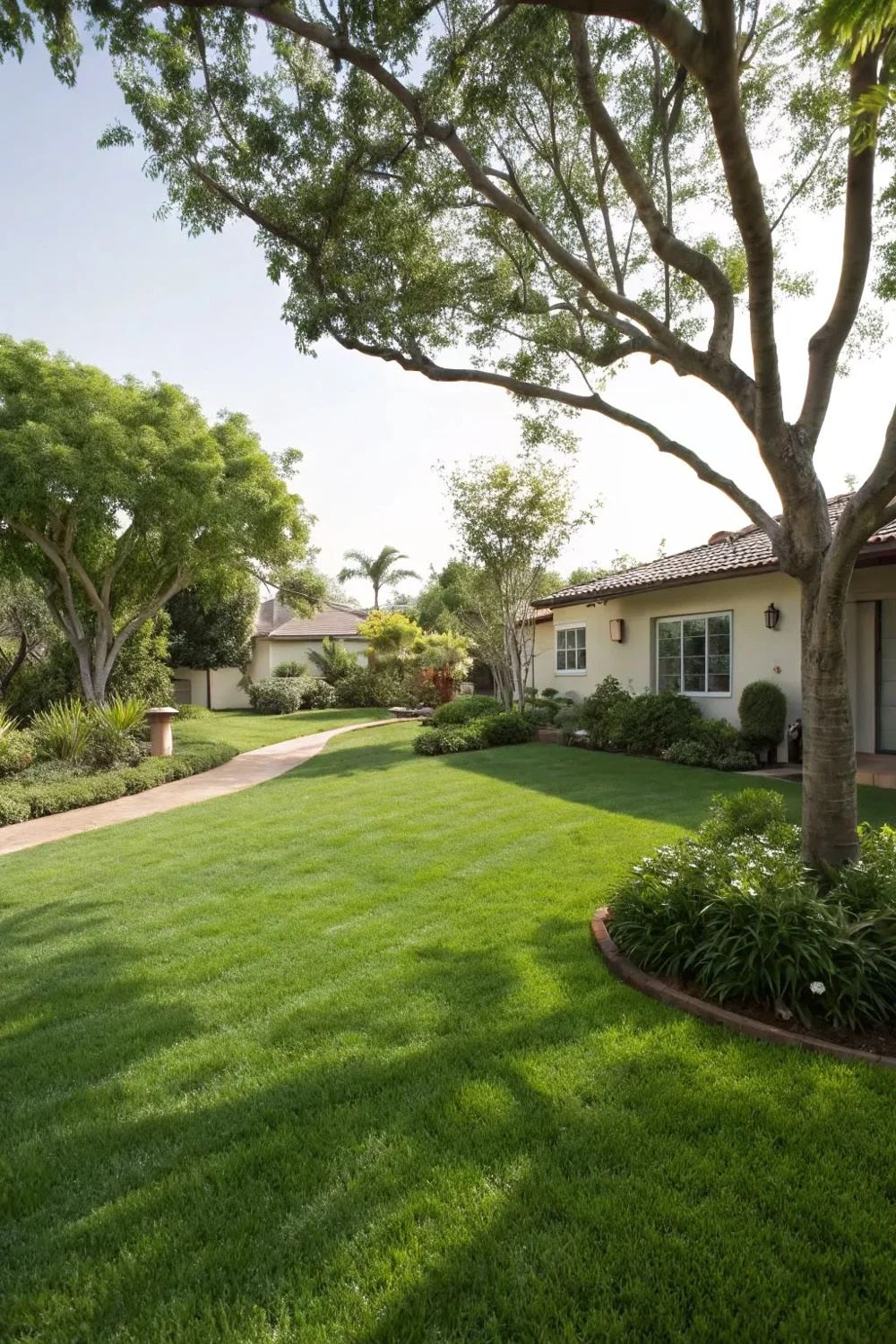
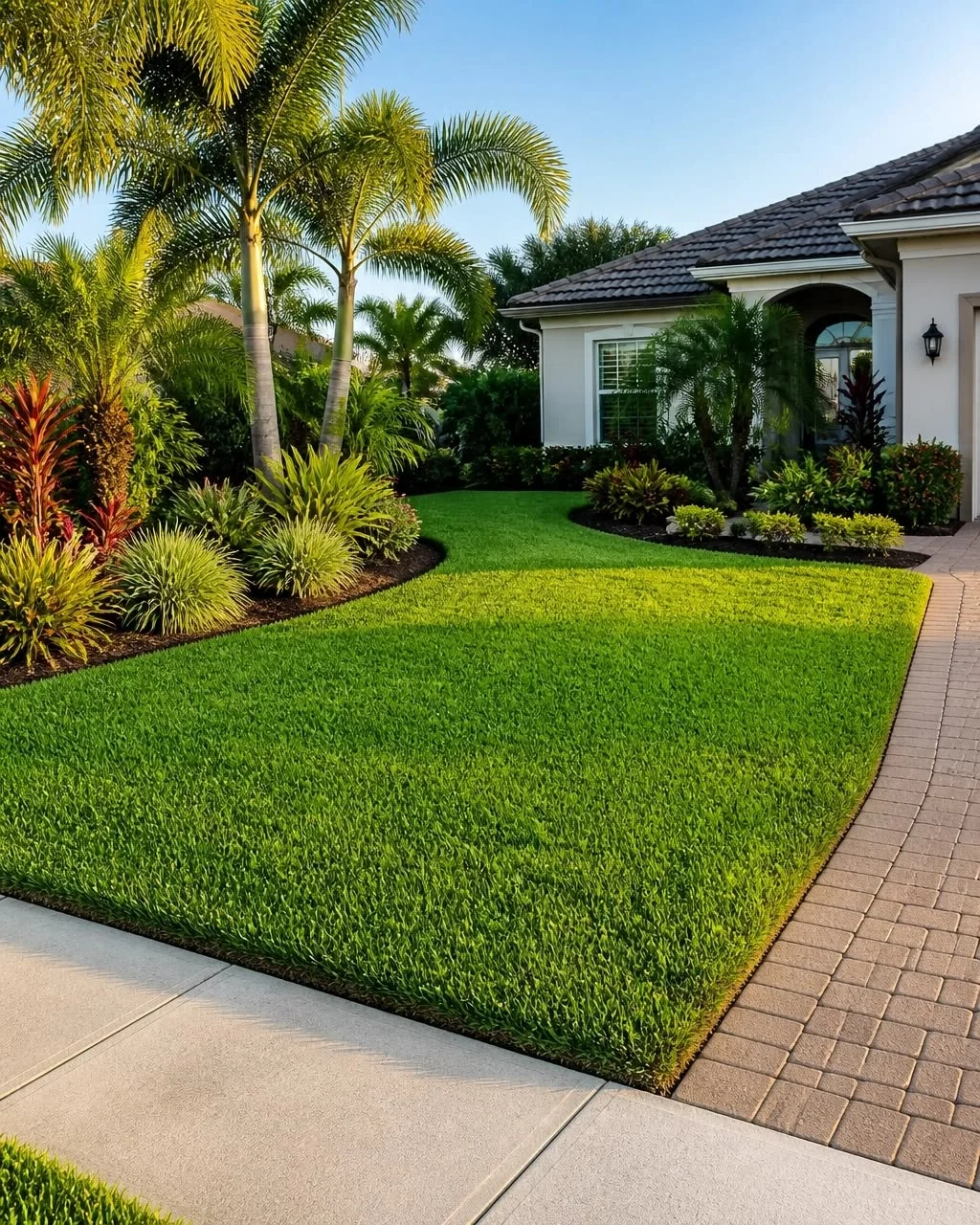

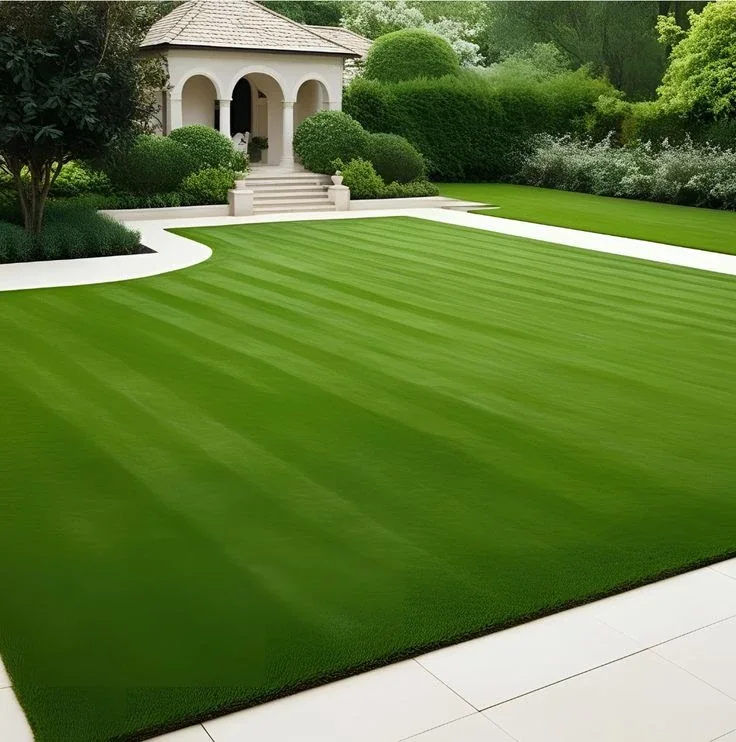
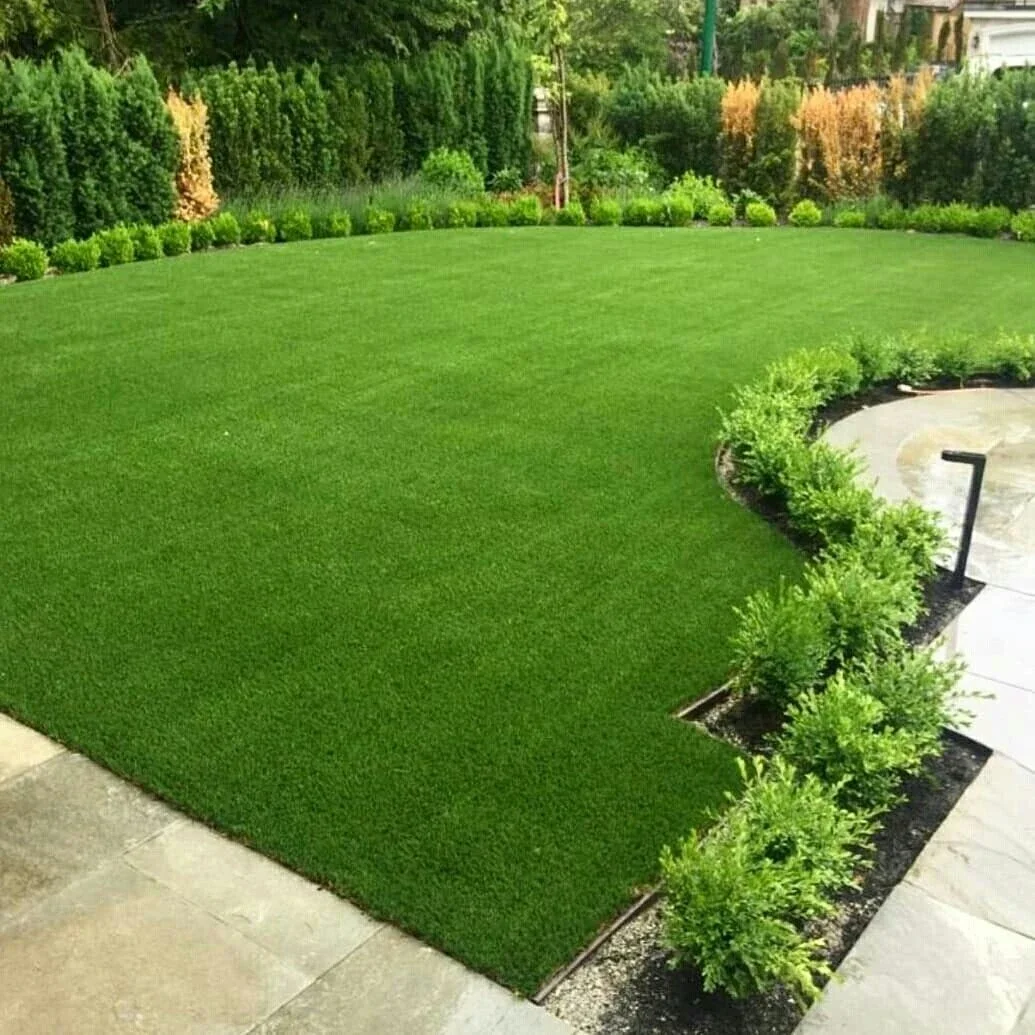
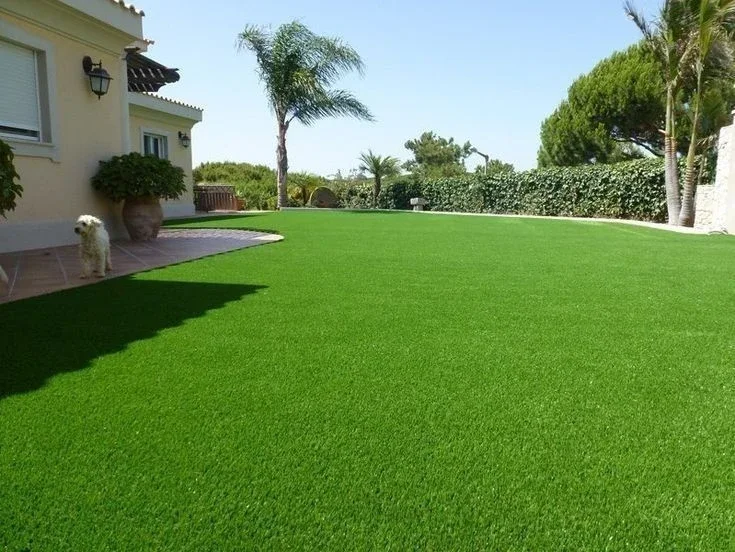
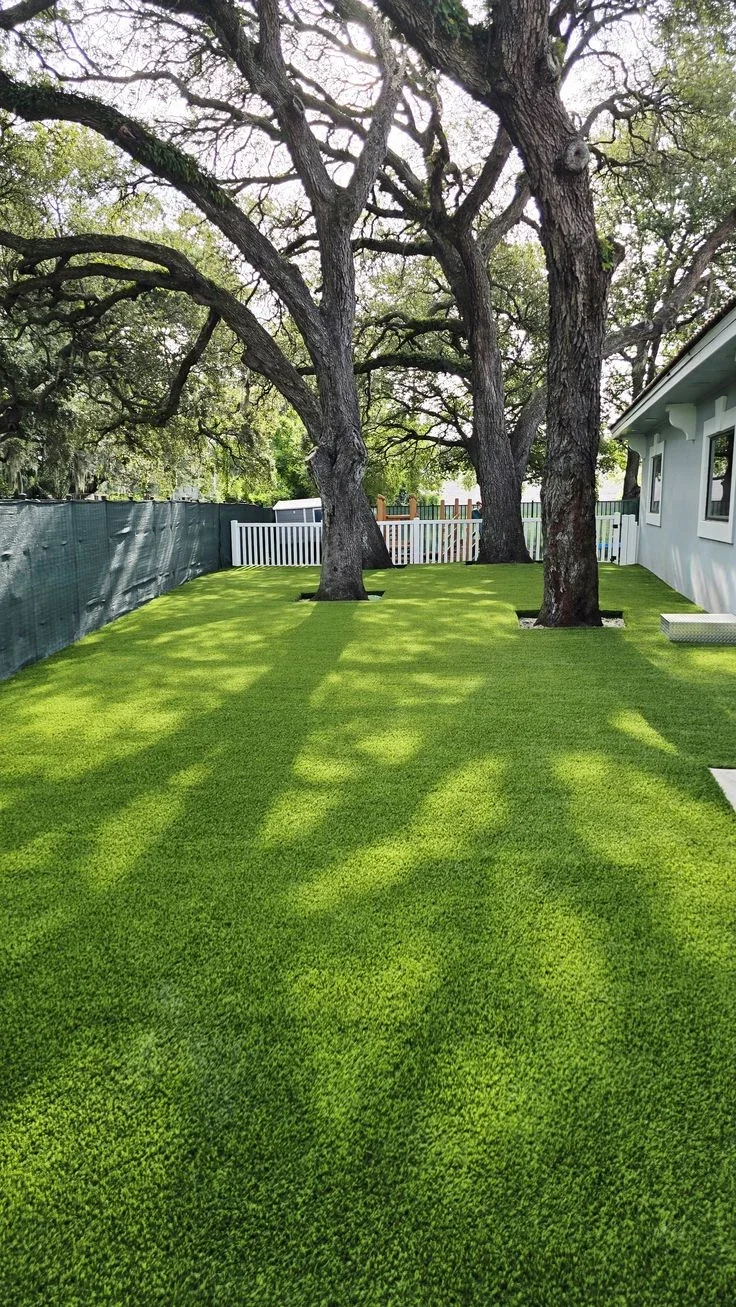
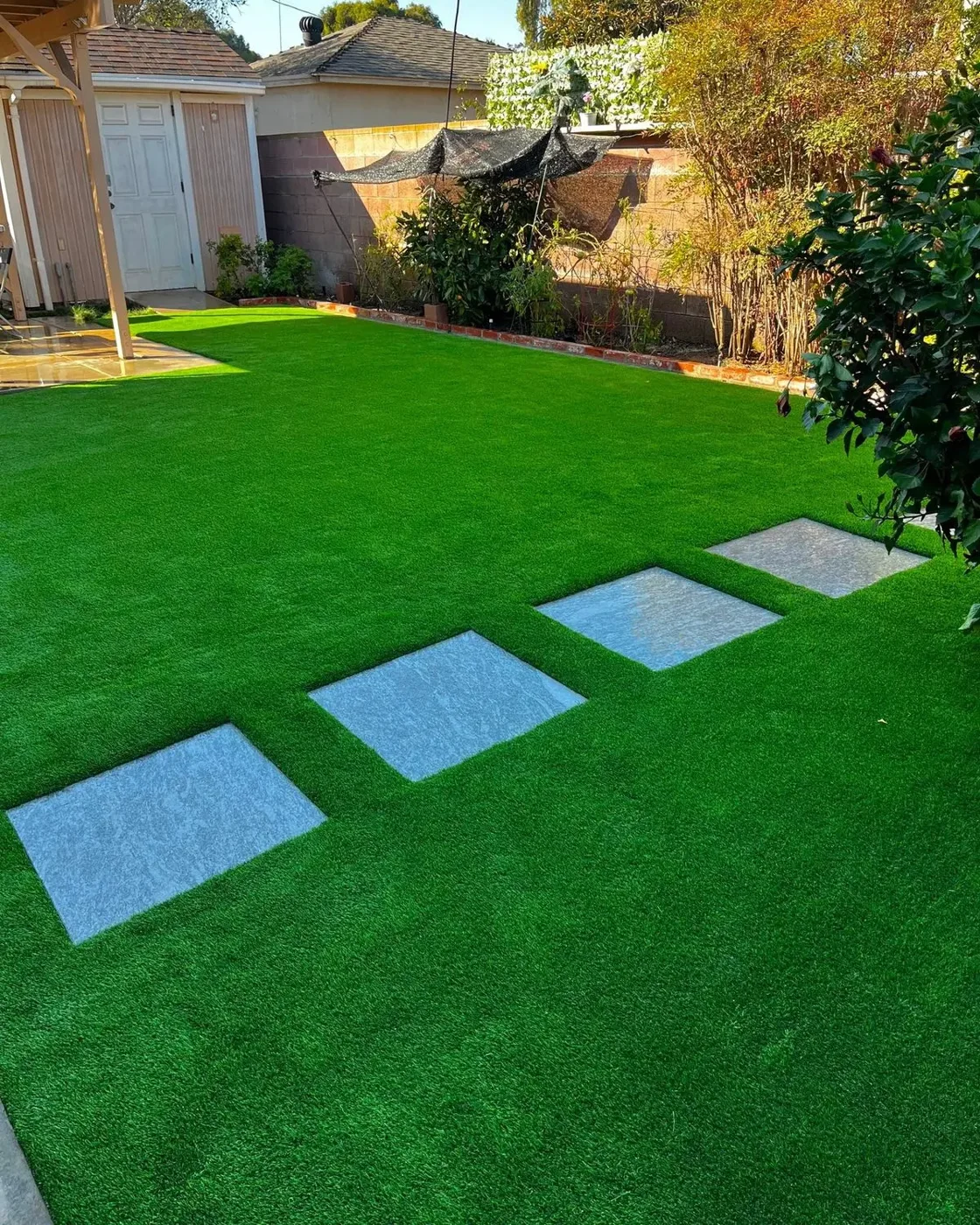
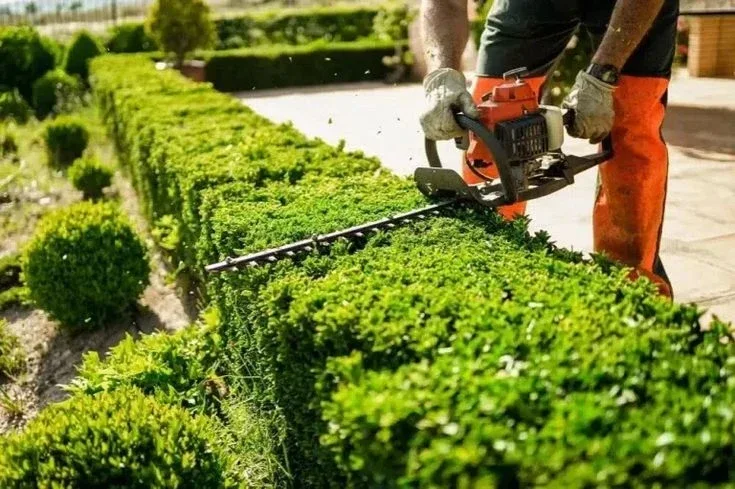
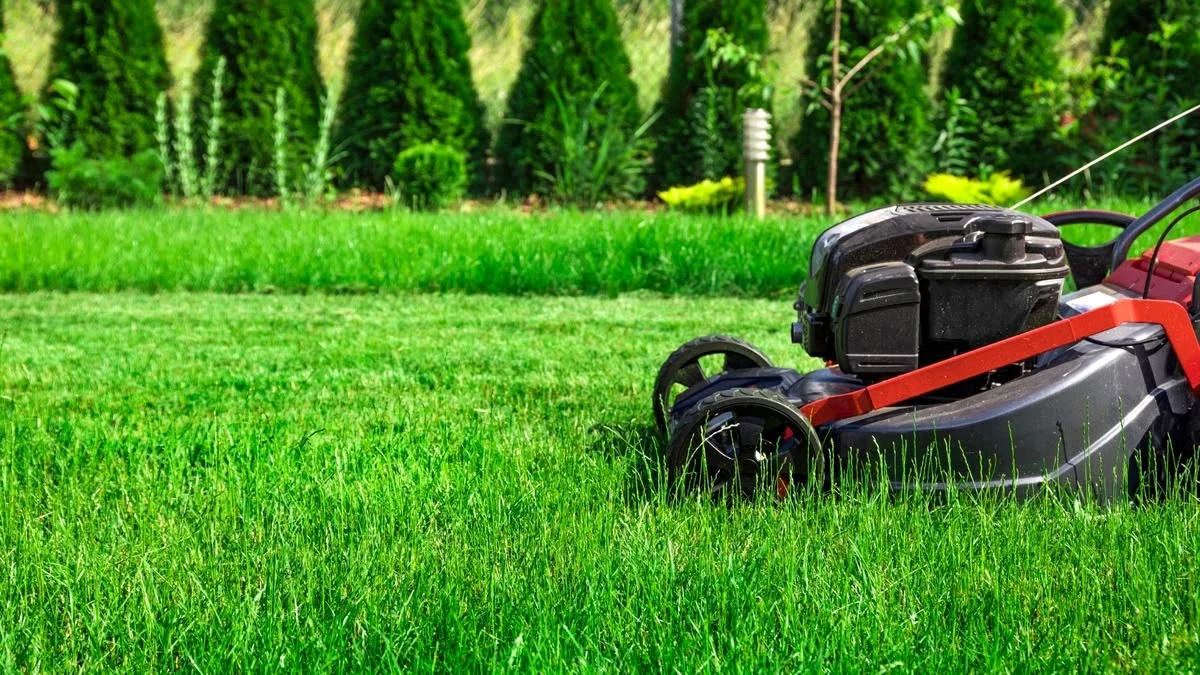
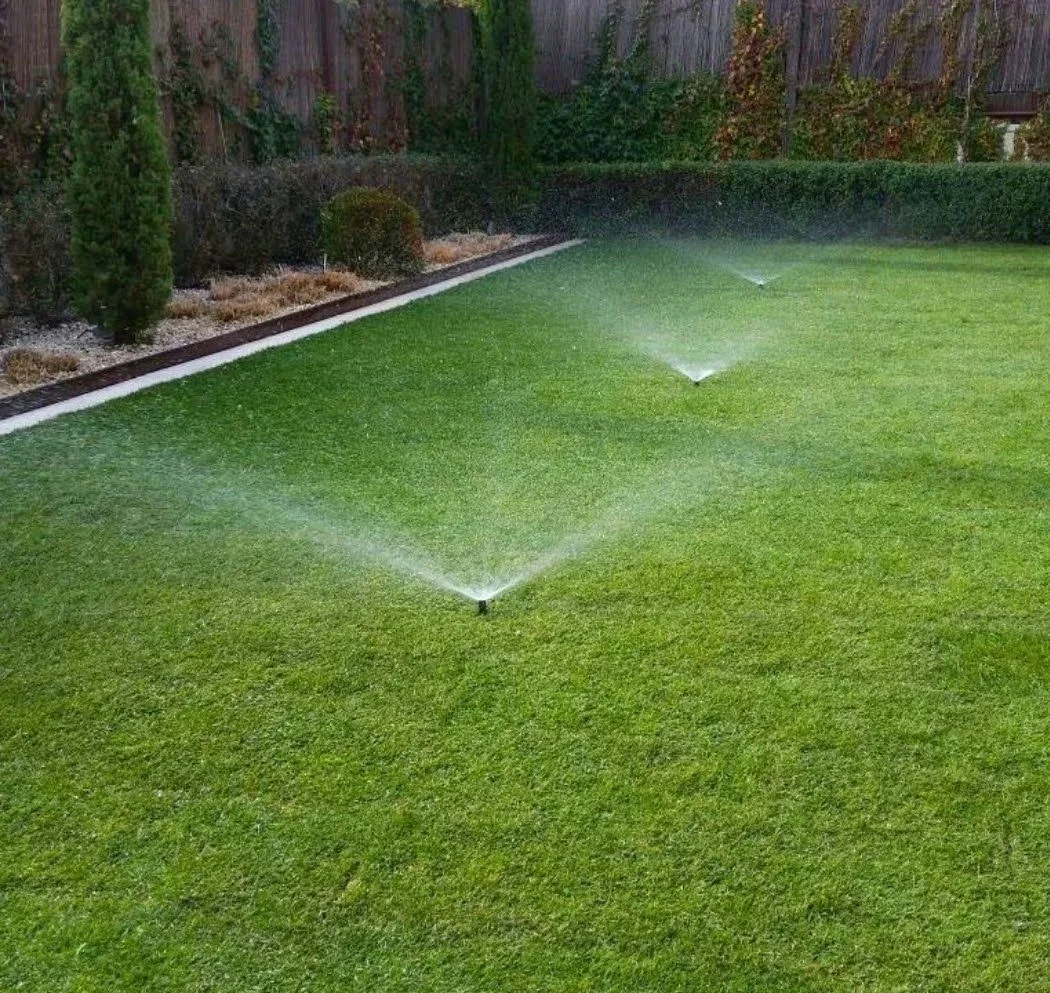
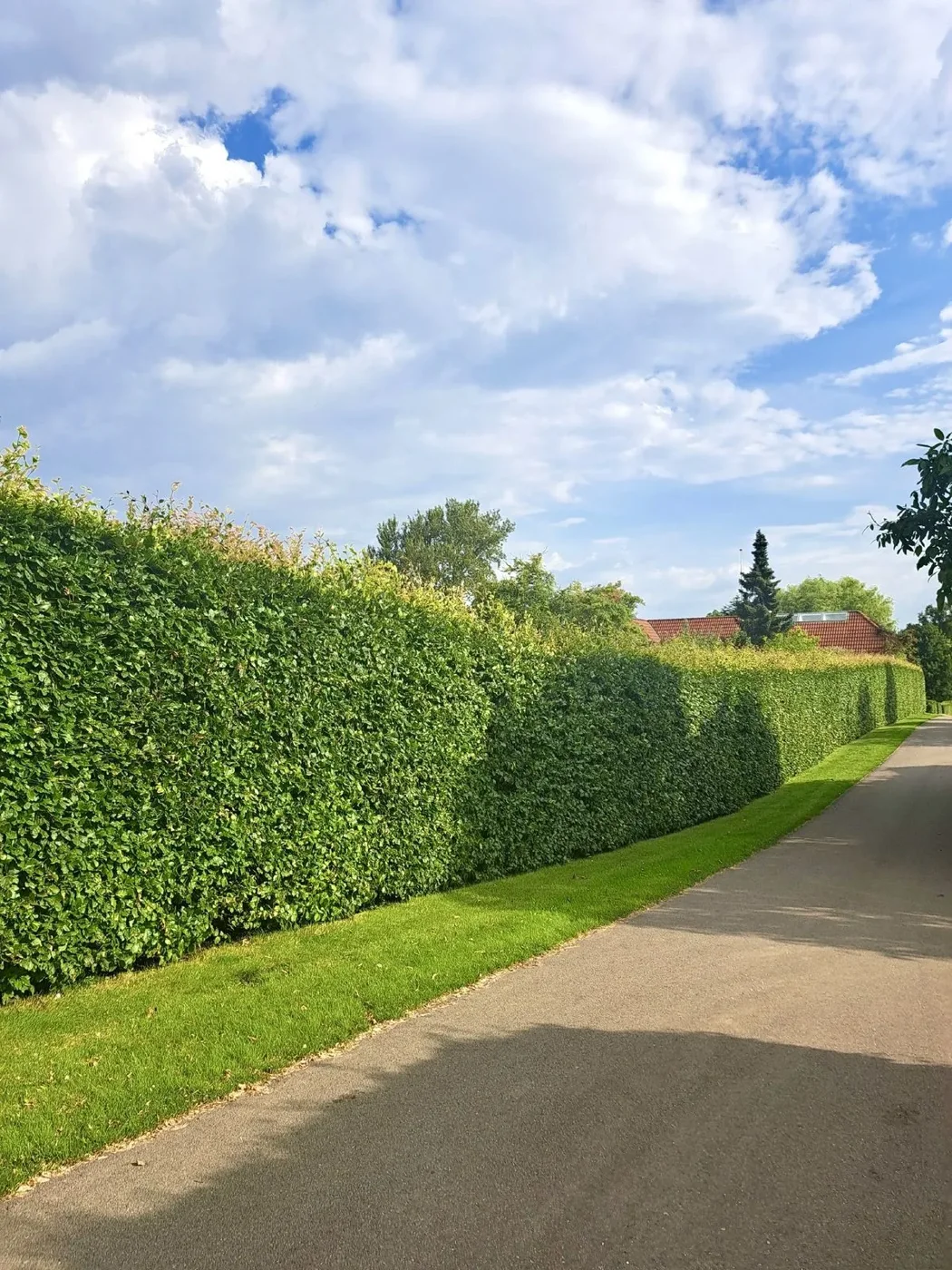
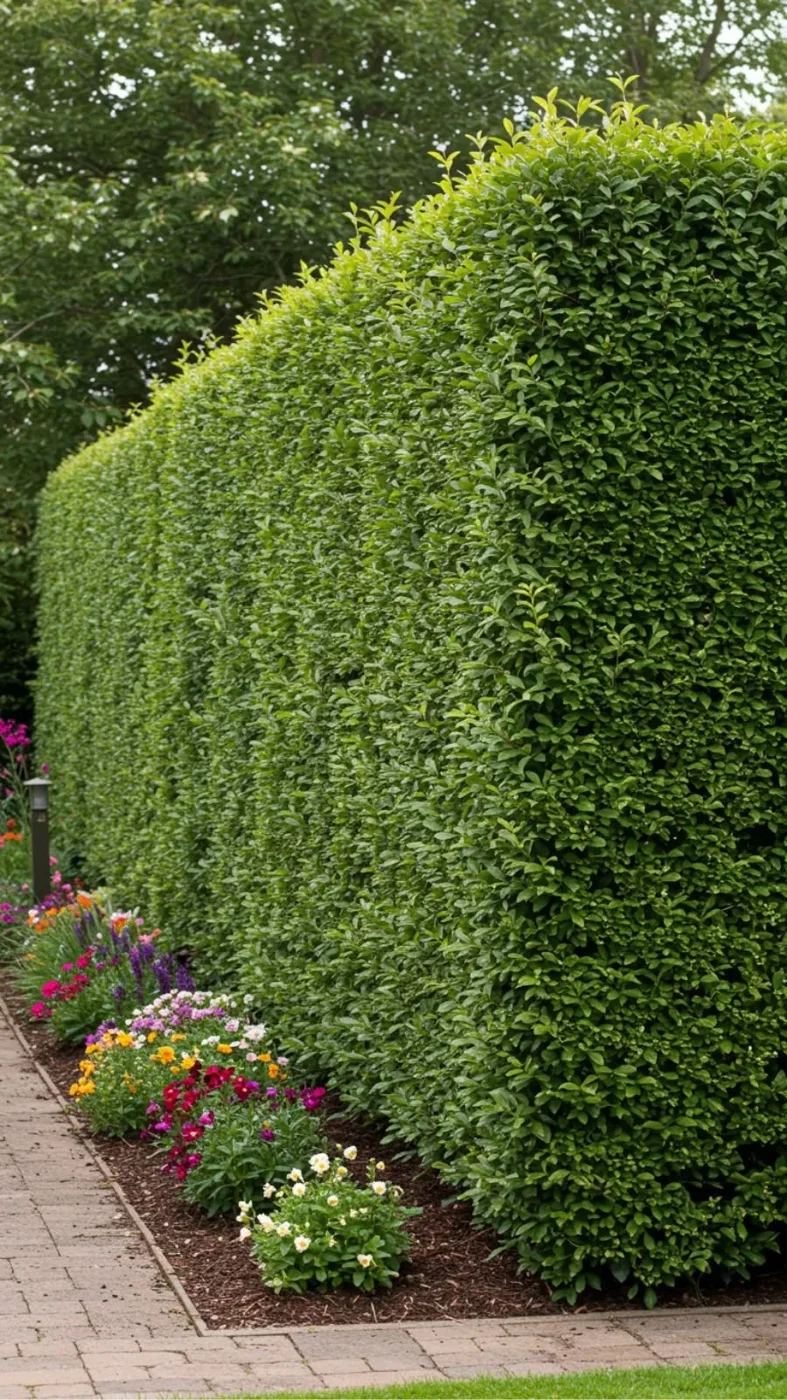

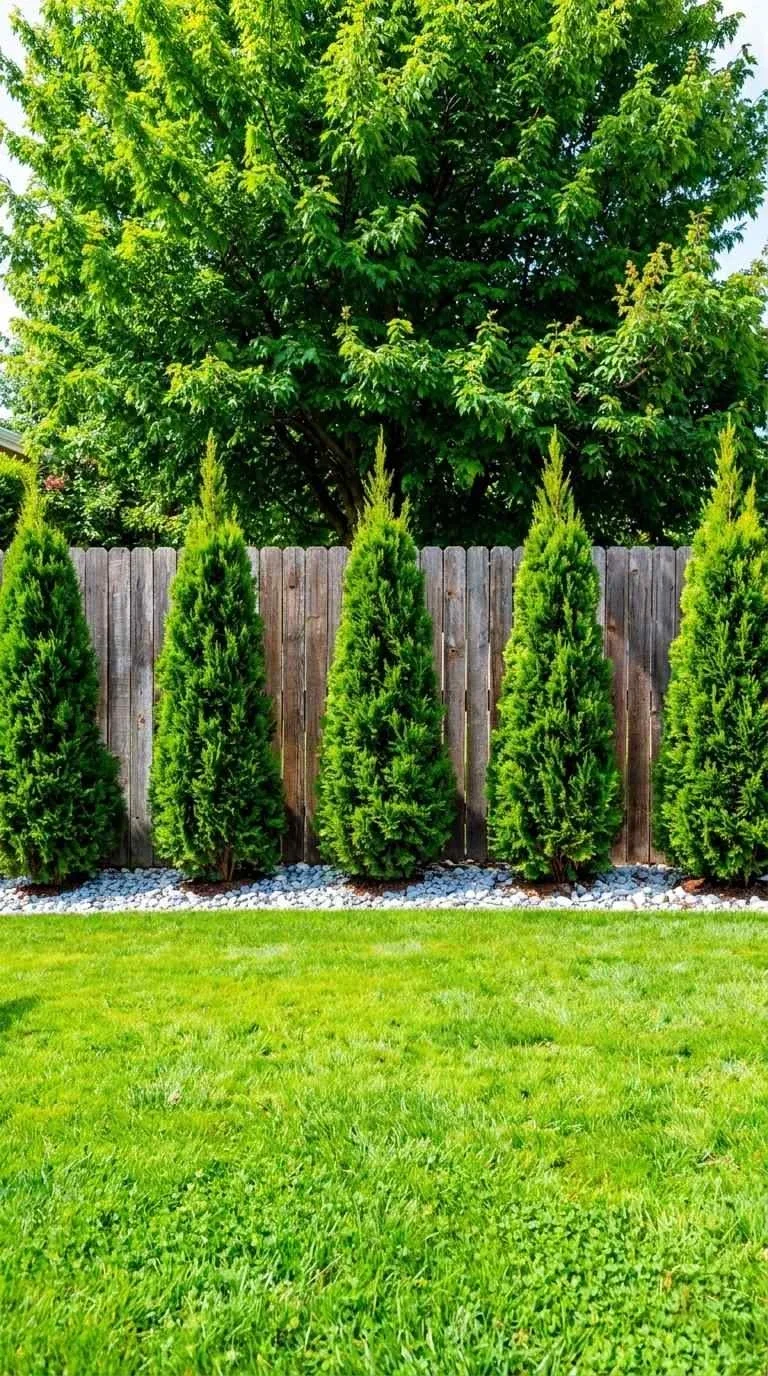
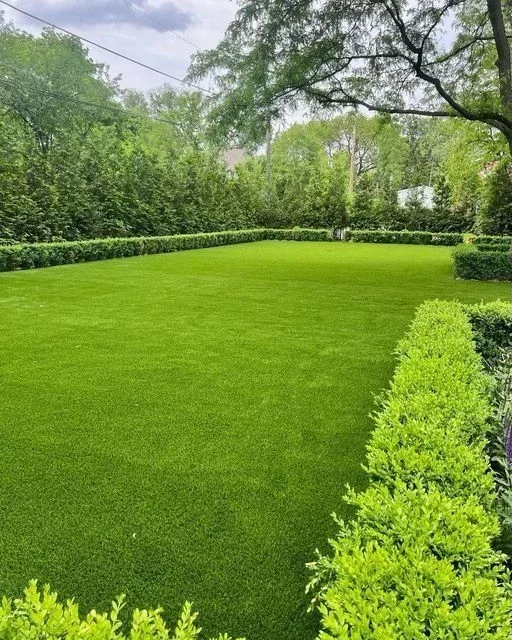
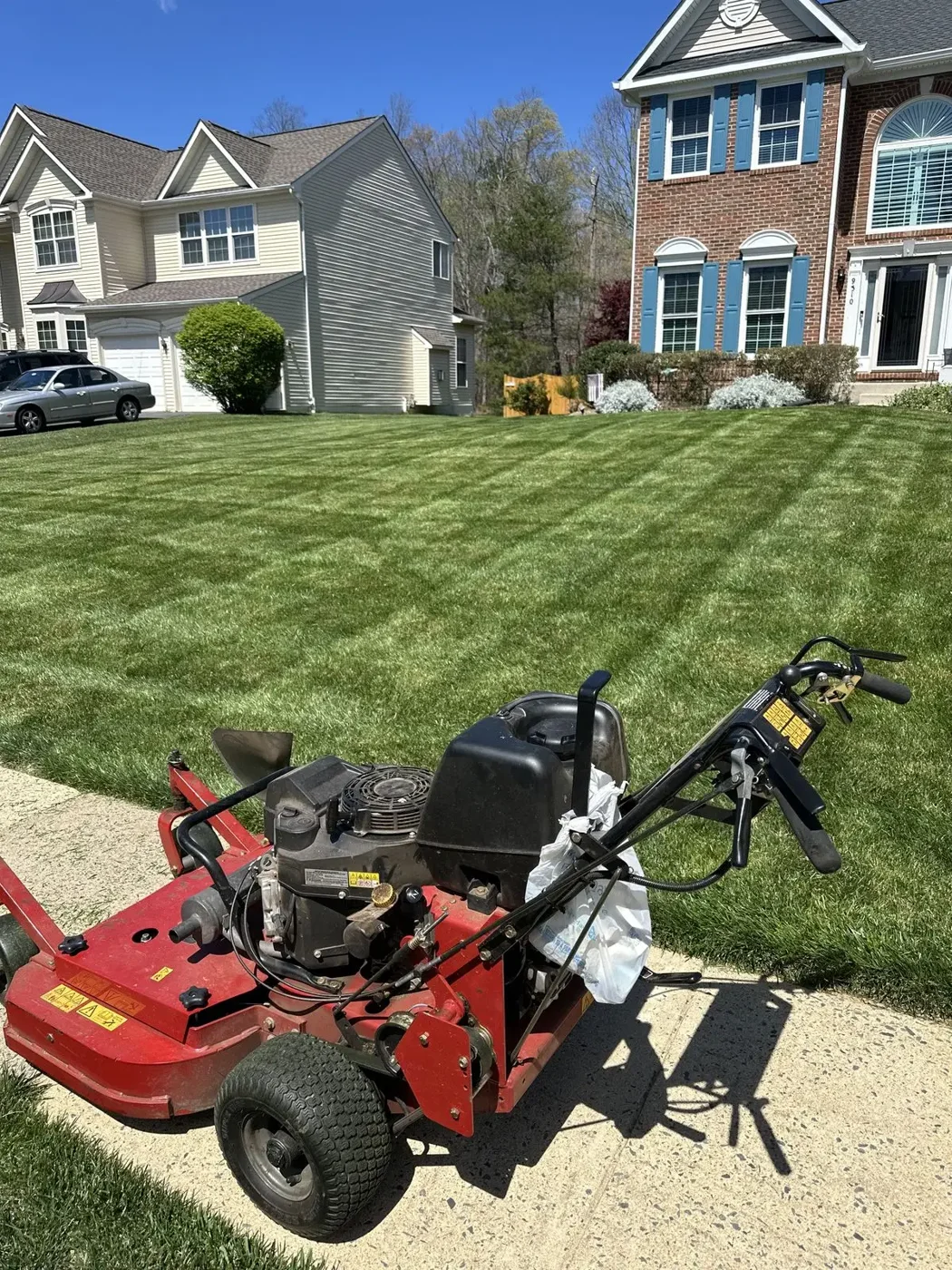
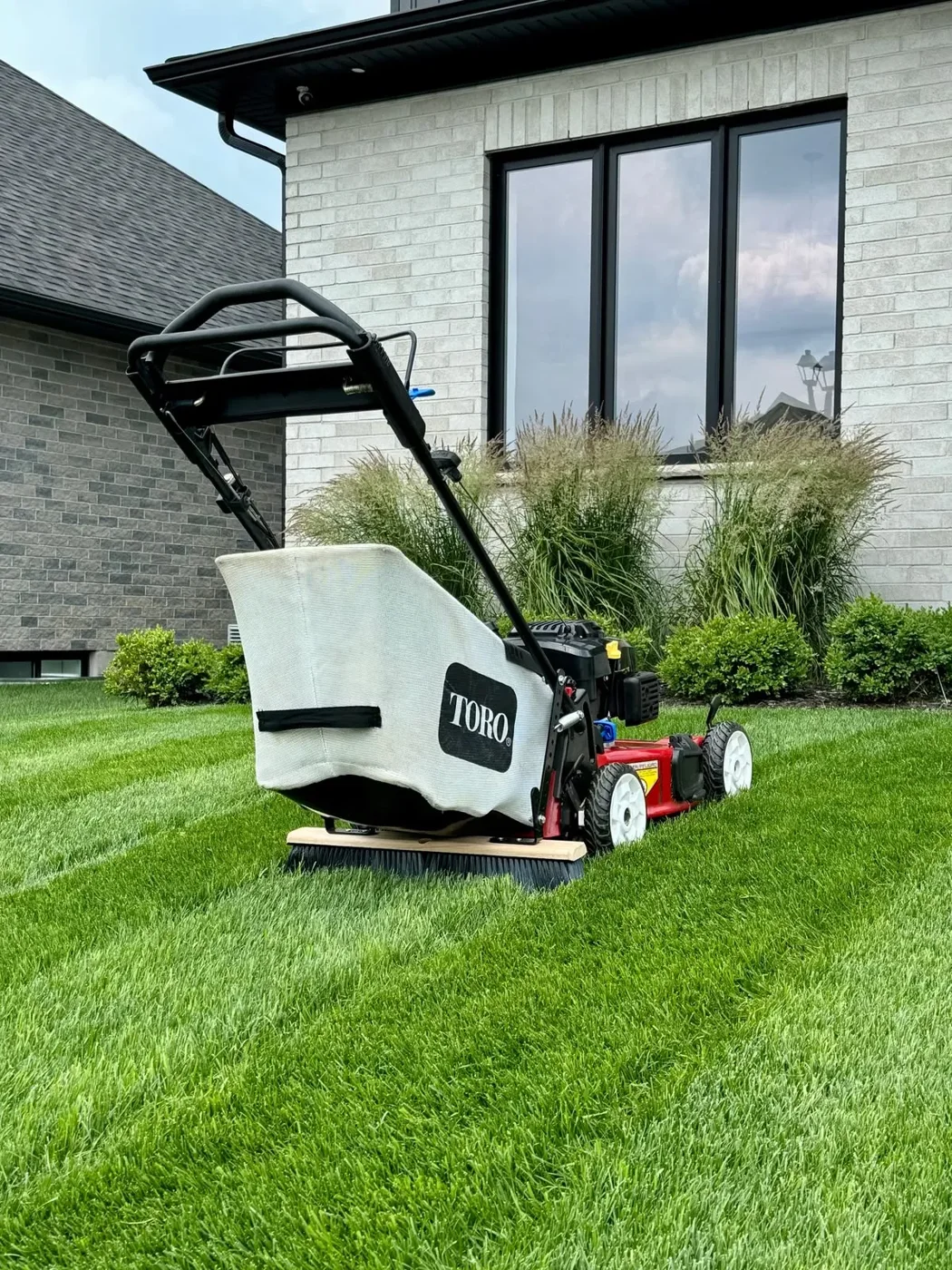
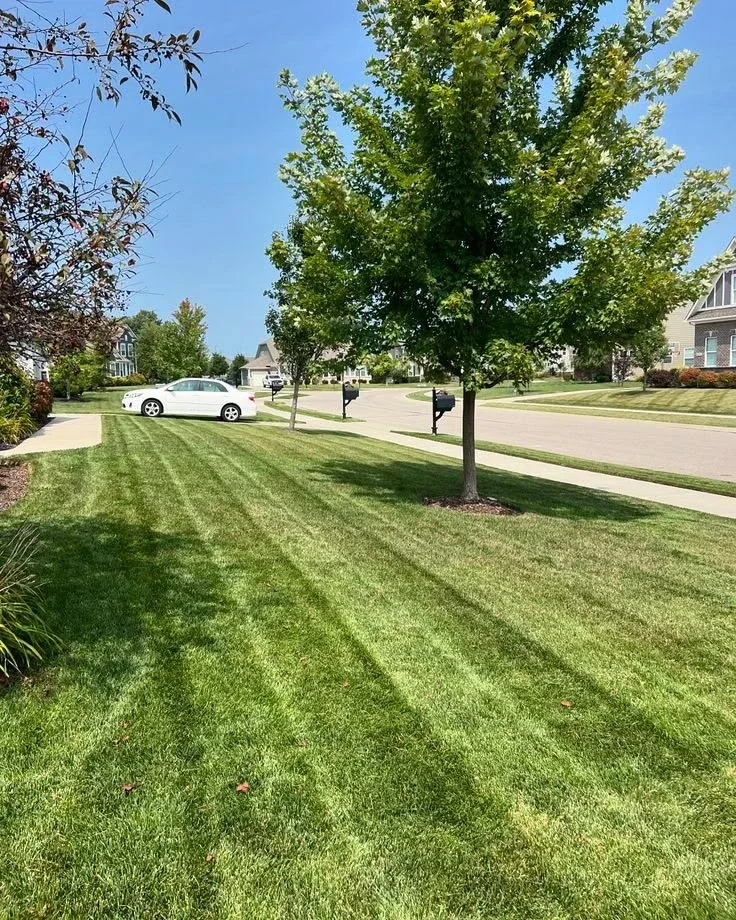
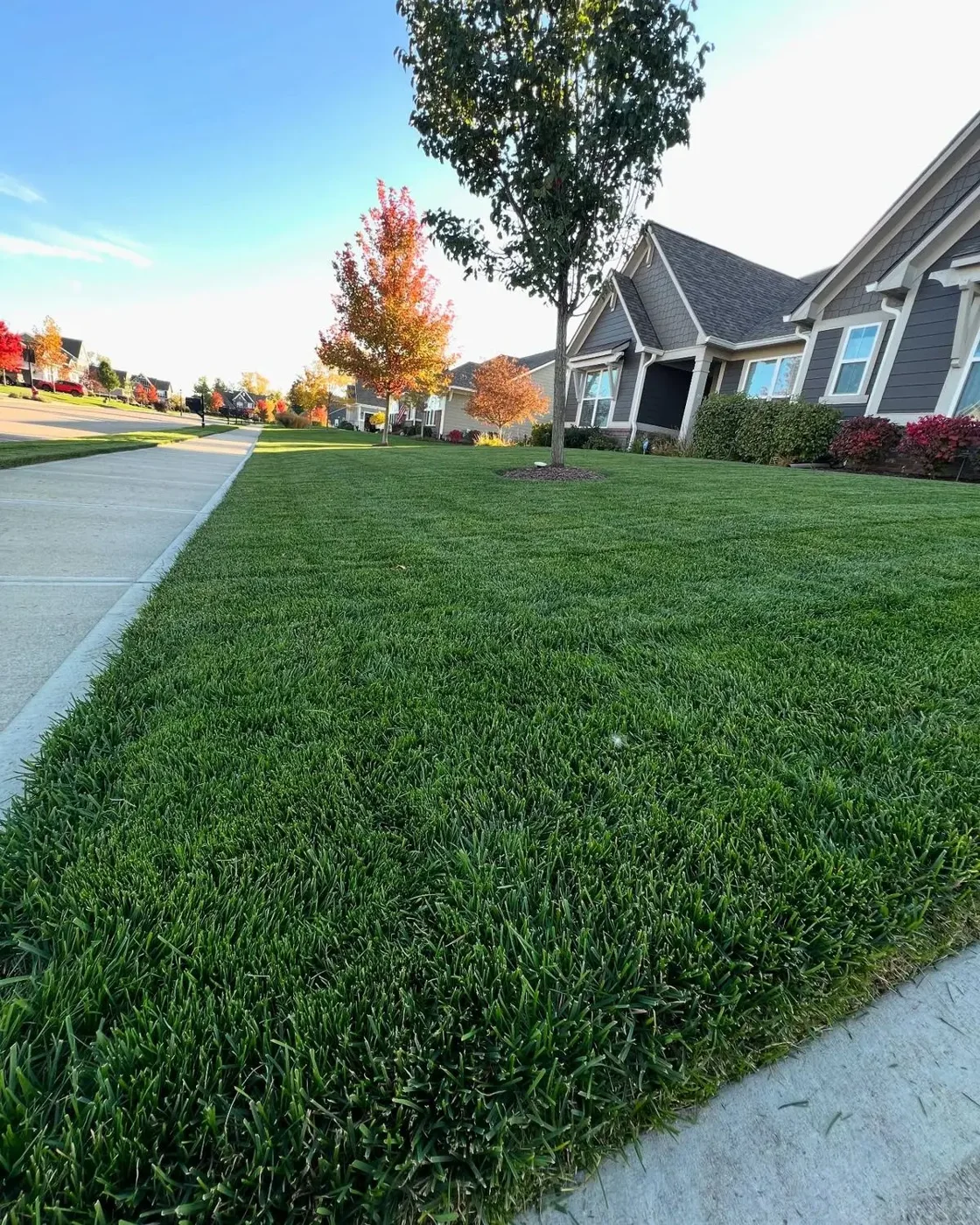
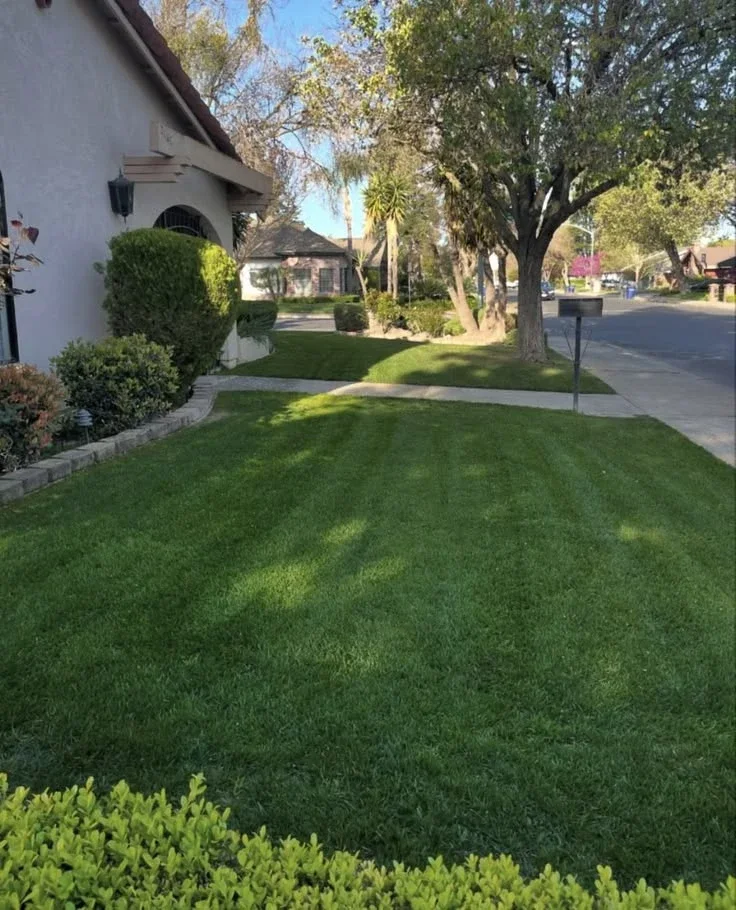
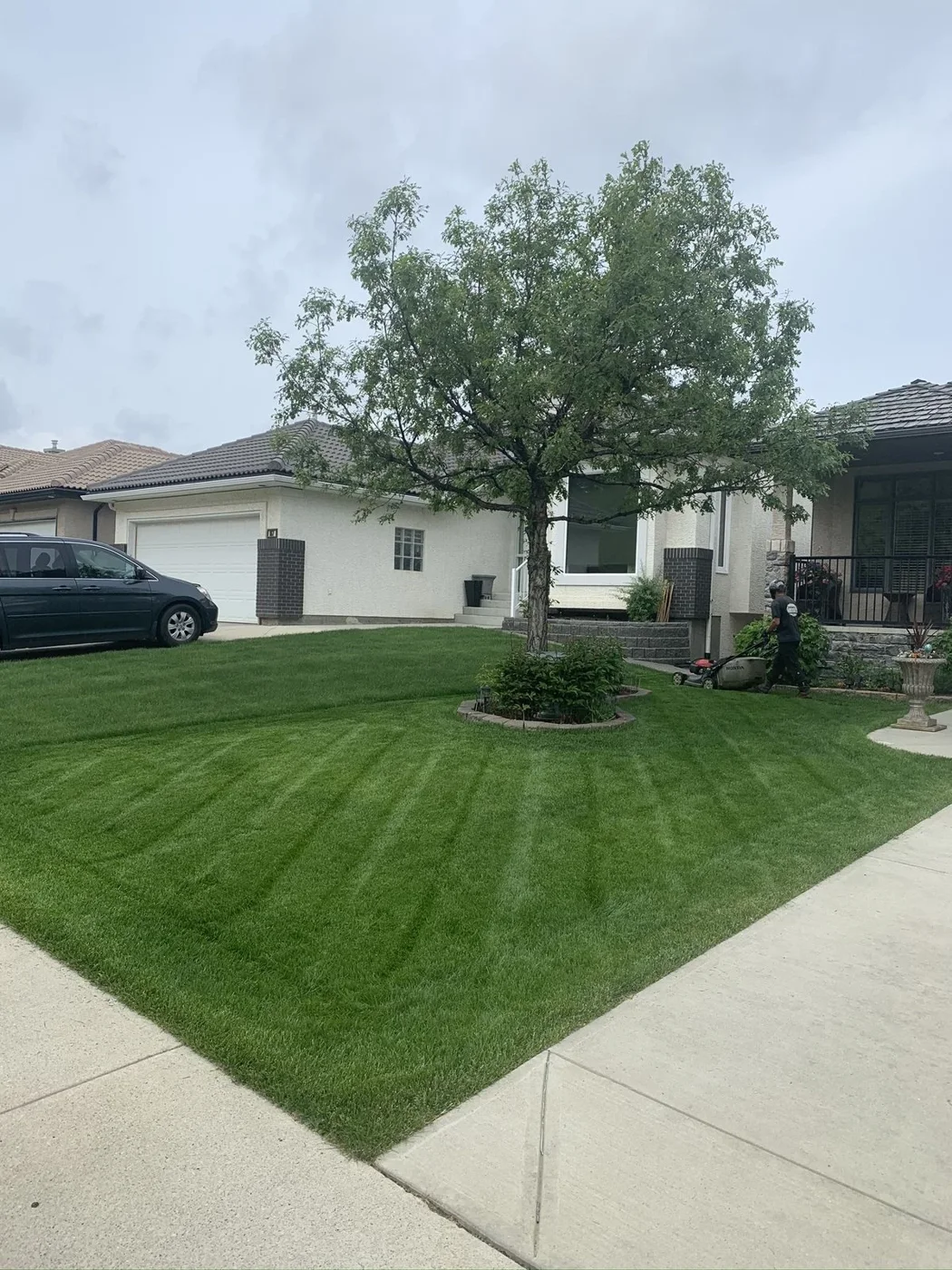
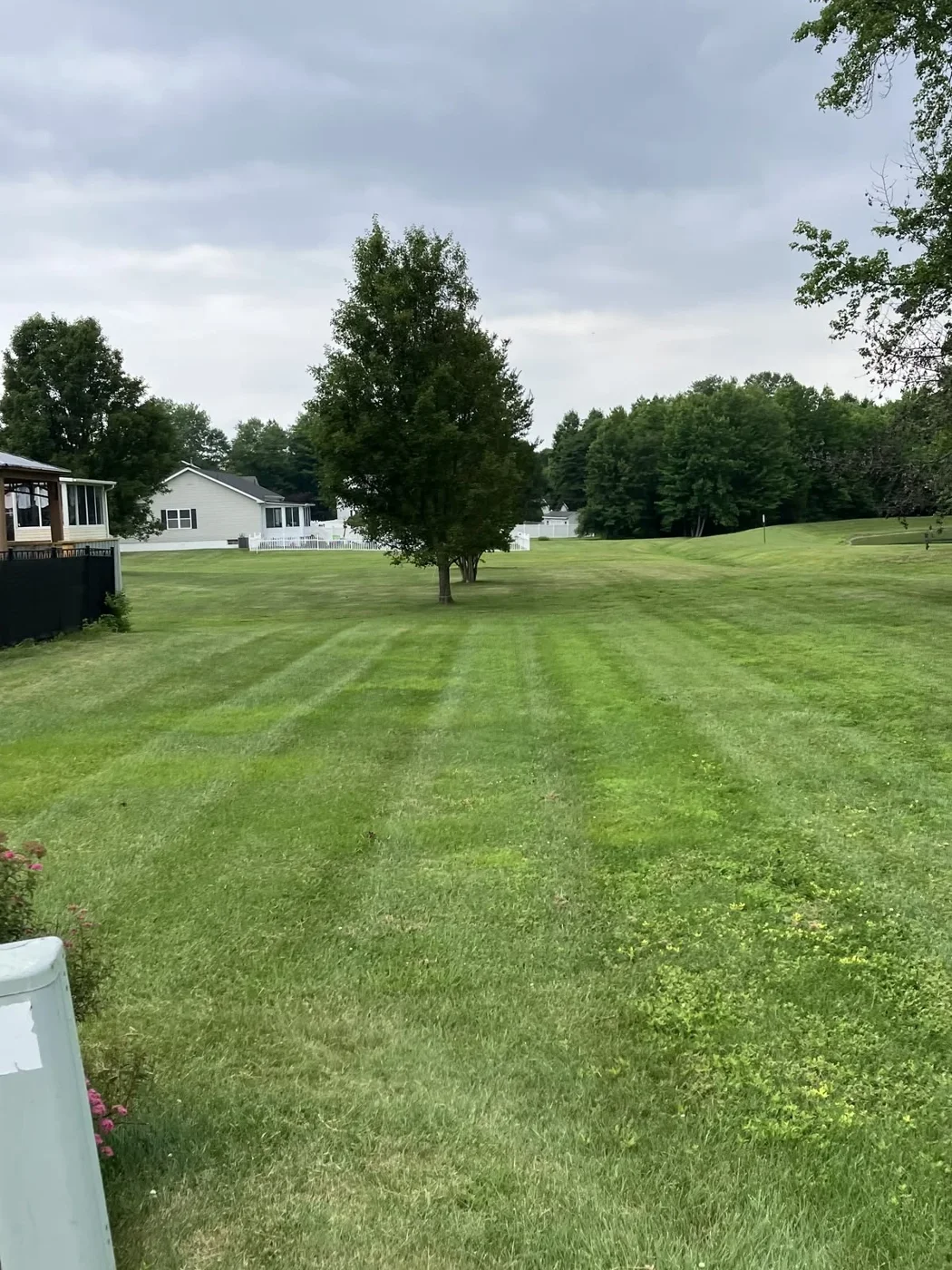
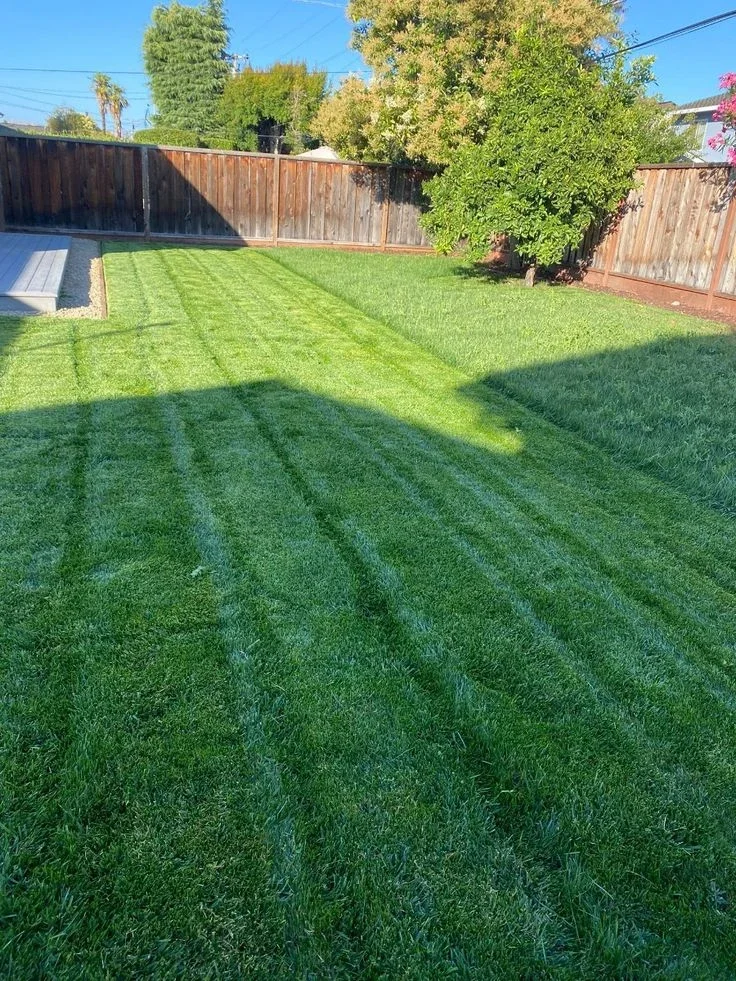
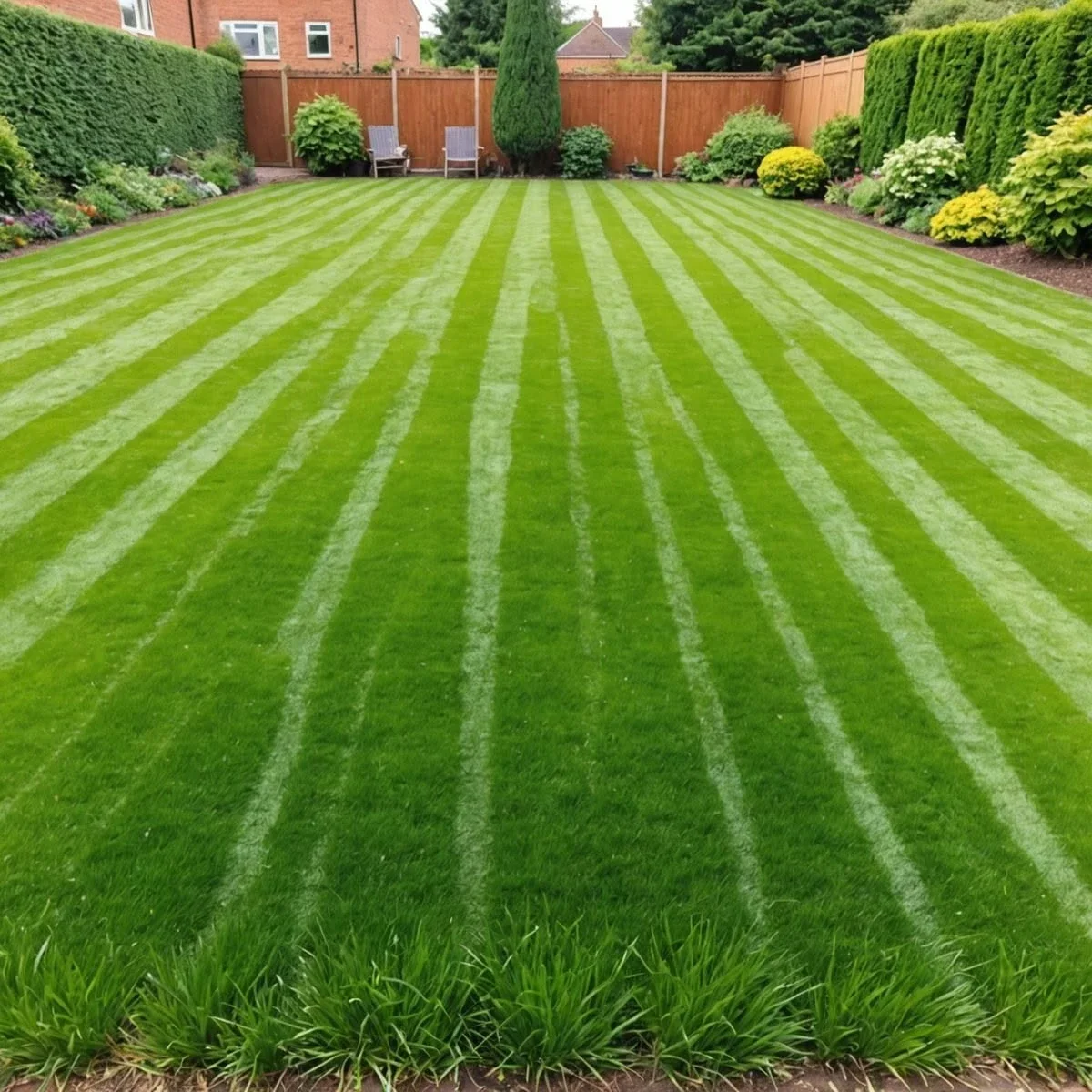
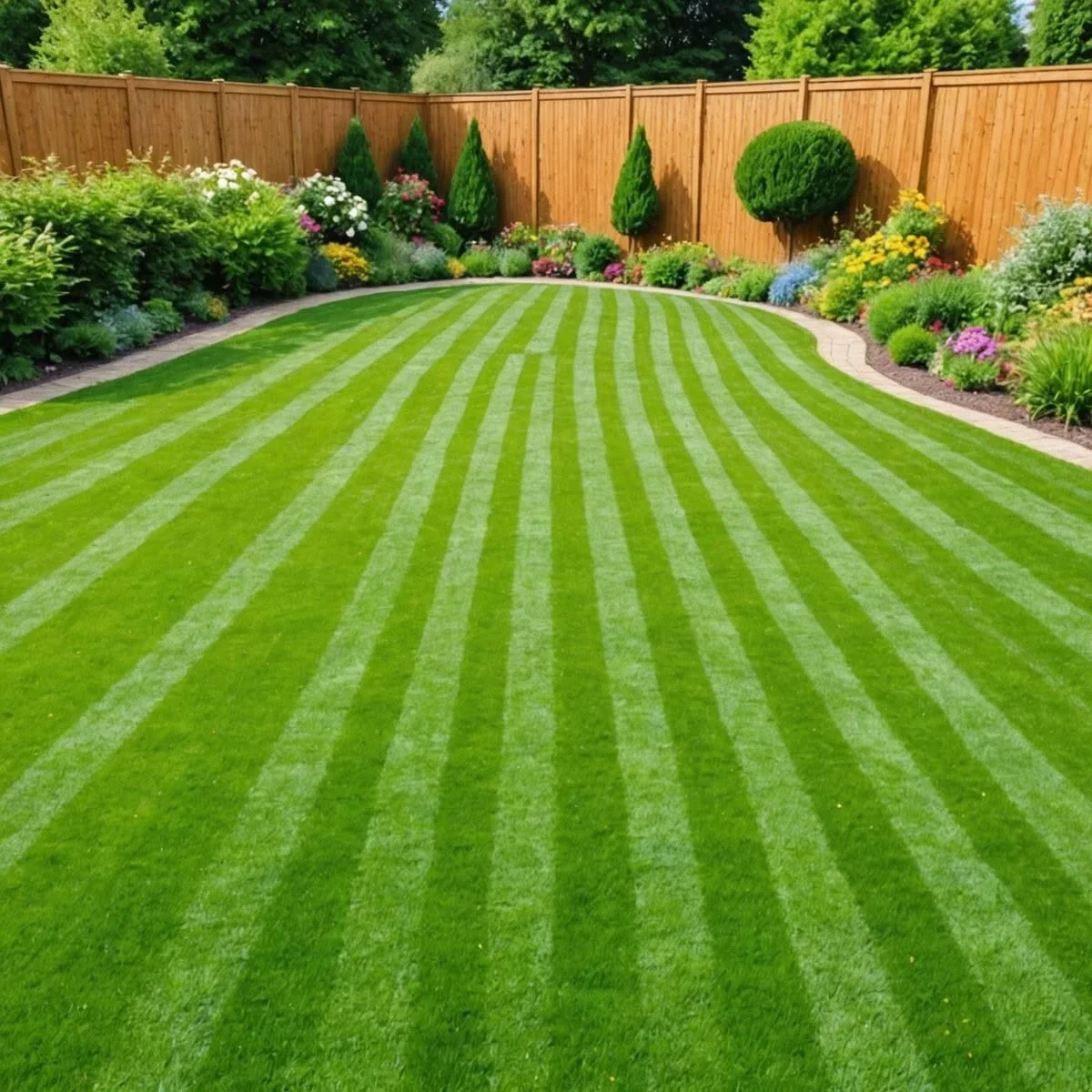
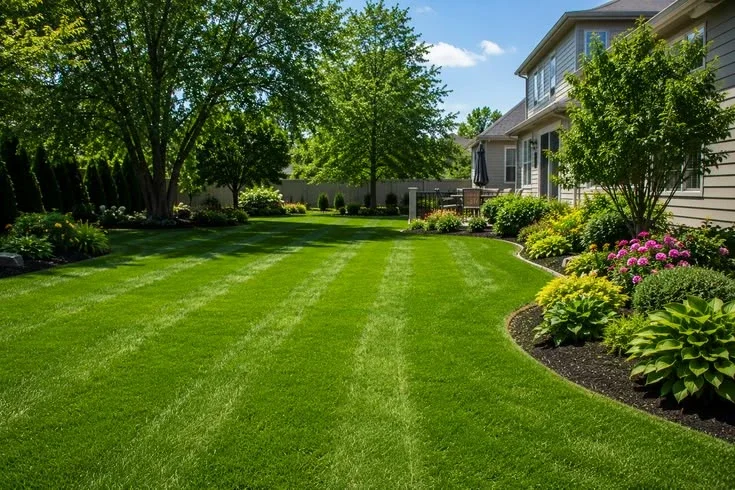

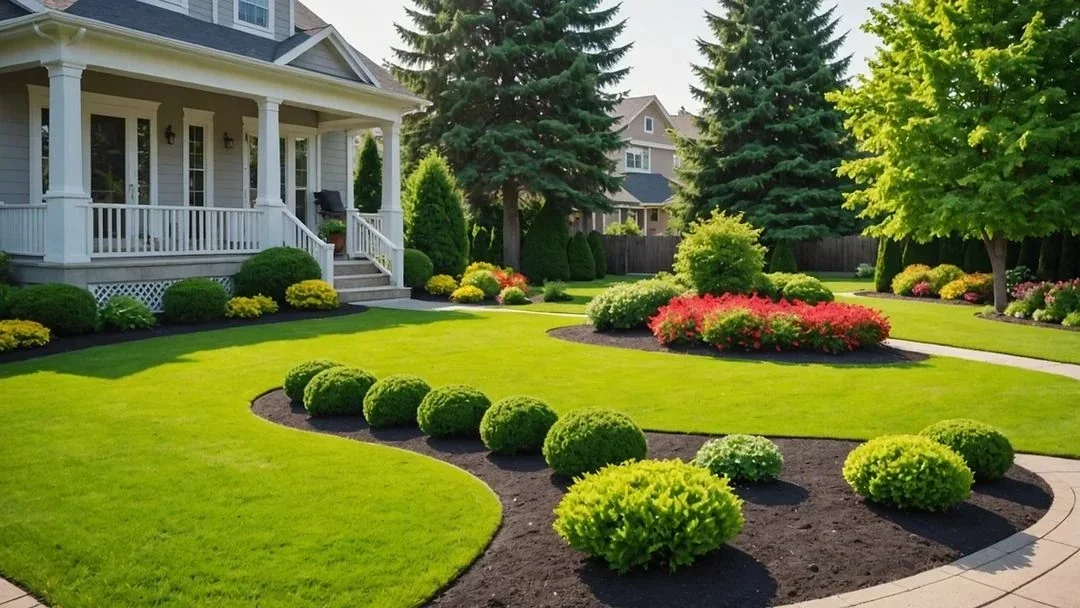
Lawn Renovation starts with a clear understanding of your yard, rather than a one-size-fits-all package. Build a plan for a struggling lawn. Lawn Mowing Pros brings 22 years of experience to conversations about lawns, access, priorities and the finish you want. The goal is to agree on a practical scope that fits how you use the property. Review shade, soil, drainage and use, then sequence repairs, seed or sod and ongoing maintenance. Before scheduling, explain the current condition and any work already attempted. A recent photograph and approximate measurements make that first discussion more useful. The team can then identify what needs attention now and what may belong in a later visit.
Common reasons to ask about lawn renovation include large bare patches, repeated turf failure and unclear priorities. A problem may have more than one cause, so the first visible symptom should not determine every part of the solution. Consider whether the issue appeared suddenly, changes with the season or returns after each visit. Note where the lawn receives shade, where people walk and where water collects. Mention pets, play areas and landscaping you want protected. These observations help distinguish a cosmetic task from a condition that needs a broader lawn care plan. Call before adding products or making major changes when the cause is unclear.
The first step is a conversation about your address, property type and goals for lawn renovation. Next, the scope should cover working areas, access, excluded plants, equipment requirements and disposal where relevant. Review shade, soil, drainage and use, then sequence repairs, seed or sod and ongoing maintenance. The agreed plan should also explain how weather or unexpected conditions affect scheduling. During the visit, the work stays within that scope; additional tasks should be discussed before they are added. At the end, review the result and any recommended aftercare. A recurring schedule, if appropriate, should follow actual growth and property needs rather than assuming every lawn requires the same timing.
Walk the working area and move toys, furniture, hoses and loose objects that might interfere with lawn renovation. Pick up pet waste and keep pets safely indoors. Confirm how gates will be opened, whether there are parking restrictions and which parts of the property should remain untouched. Mark irrigation heads, shallow cables and features that may be hidden by grass or leaves. Share any concerns about fragile plants, recently seeded turf or wet ground. Preparation is not about doing the service yourself; it helps avoid delays and makes the agreed visit easier to carry out carefully.
Scheduling lawn renovation requires attention to what is happening on the property that week. Saturated soil, excessive heat, heavy growth or a newly established lawn may change the best approach. Grass variety and seasonal growth also influence the work, especially where seed, sod or treatment is involved. Avoid assuming a calendar date alone determines suitability. Tell the team about irrigation, recent rainfall and any other contractors expected on site. If conditions make the original plan unsuitable, discuss an alternative time or adjusted scope. Keeping the lawn usable and avoiding unnecessary damage matters more than forcing work into an unsuitable window.
After lawn renovation, ask what you should monitor and when to get back in touch. Depending on the service, aftercare may involve watering, keeping traffic off new turf, removing loose debris or adjusting the next mowing date. Avoid stacking multiple treatments without understanding how they interact. Take a few photographs so changes are easier to compare over time. If the original concern returns, describe the location and timing rather than simply asking for more of the same work. A focused follow-up conversation helps decide whether maintenance is enough or whether the underlying conditions need another look.
Homeowners, landlords and property managers often have different priorities for lawn renovation. One household may want a neat front lawn while another needs help with a much larger outdoor area. A managed site may need agreed service windows and a named contact. Be clear about your budget, desired result and any deadlines, without assuming every task must happen at once. Related services can be coordinated when appropriate, but each should have a defined purpose. Explore the service cards below to understand the options, then call Lawn Mowing Pros with your address and the work you want to discuss.
| Typical US range | Quote by project scope ranges from seeding to a full rebuild |
|---|---|
| What moves the price | Lawn area, soil and drainage, seed or sod, number of steps |
| Usually included | Site review and a sequenced repair plan |
| Often extra | Grading, soil amendment, irrigation, ongoing care |
| Ways to save | Phase the work so the highest-impact repairs come first |
A national planning range, not a quote. Call (844) 783-0355 for a price on your property.
National planning ranges compiled from published 2026 cost guides. Your price depends on lawn size, condition, access, local labor rates and what is included, so treat this as a starting point, not a quote.
| Service | Typical US range | How it is priced |
|---|---|---|
| Lawn Mowing | $42 – $68 | per visit, average residential lawn |
| Routine Lawn Maintenance | $55 – $90 | per visit; mowing, trimming, edging and blowing |
| Lawn Edging | $35 – $80 | per hour; often included with mowing |
| Grass Trimming | $35 – $75 | per hour; often included with mowing |
| Overgrown Lawn Cleanup | $100 – $500 | one-time, up to about a quarter acre; hourly work $35 – $70 |
| Weed Management | $35 – $120 | per visit |
| Lawn Fertilization | $67 – $405 | per treatment, by lawn size |
| Lawn Aeration | $75 – $225 | per service |
| Lawn Overseeding | $430 – $1,500 | per project, by lawn size and seed |
| Sod Installation | $1 – $2 per sq ft | about $1,050 – $3,400 for a typical project |
| Leaf Removal | $107 – $460 | per cleanup, by yard size and tree cover |
| Seasonal Yard Cleanup | $100 – $500 | spring about $100 – $300; fall about $200 – $500 |
| Hedge Trimming | $50 – $75 | per hour, or priced per shrub |
| Shrub Pruning | $50 – $75 | per hour, or priced per shrub |
| Garden Bed Maintenance | $45 – $75 | per hour |
| Mulch Installation | $80 – $400 | per cubic yard, delivered and installed; varies widely |
| Lawn Dethatching | $65 – $225 | per service |
| Lawn Renovation | Quote by project | scope ranges from seeding to a full rebuild |
| Commercial Lawn Care | Quote by site | priced by acreage, access and visit frequency |
| Residential Lawn Care | $55 – $90 | per visit for a typical maintenance plan |
Ranges are summarized from third-party guides that differ from one another; some services are bundled with mowing or quoted per project. Sources: LawnStarter 2026 lawn care prices · RealGreen lawn care pricing · Angi yard cleanup costs · HomeAdvisor yard cleanup costs. Call (844) 783-0355 for a property-specific quote.
Share your location, lawn size, current condition and the services you’re considering.
Discuss access, the scope, scheduling and the price before work begins.
Complete the agreed mowing or lawn care tasks, with attention to plants and hard surfaces.
Review the result, aftercare and whether a regular schedule makes sense for your yard.
The scope is agreed for your property. The starting approach is: Review shade, soil, drainage and use, then sequence repairs, seed or sod and ongoing maintenance. Call to confirm working areas, materials, collection and any exclusions.
Area, current condition, access, materials and disposal can all affect the quote. The mowing estimator does not price every service. Call (844) 783-0355 for the actual scope and price.
Discuss the tasks you want together. Some work can fit one visit; other tasks need different conditions or a separate schedule.
Describe what you see, especially large bare patches, repeated turf failure and unclear priorities. Share your address and photos if available, and ask which next step is appropriate.